ADU Rules Lamorinda Buyers Should Know Before They Build
January 1, 2026
January 1, 2026
Thinking about adding a backyard cottage or converting your garage in Lamorinda? You are not alone. With limited housing supply and flexible living needs, more buyers and owners are exploring accessory dwelling units as smart, local solutions. In this guide, you will learn the essentials that matter in Lafayette, Moraga, and Orinda, from rules and permits to budgets, wildfire safety, and resale. Let’s dive in.
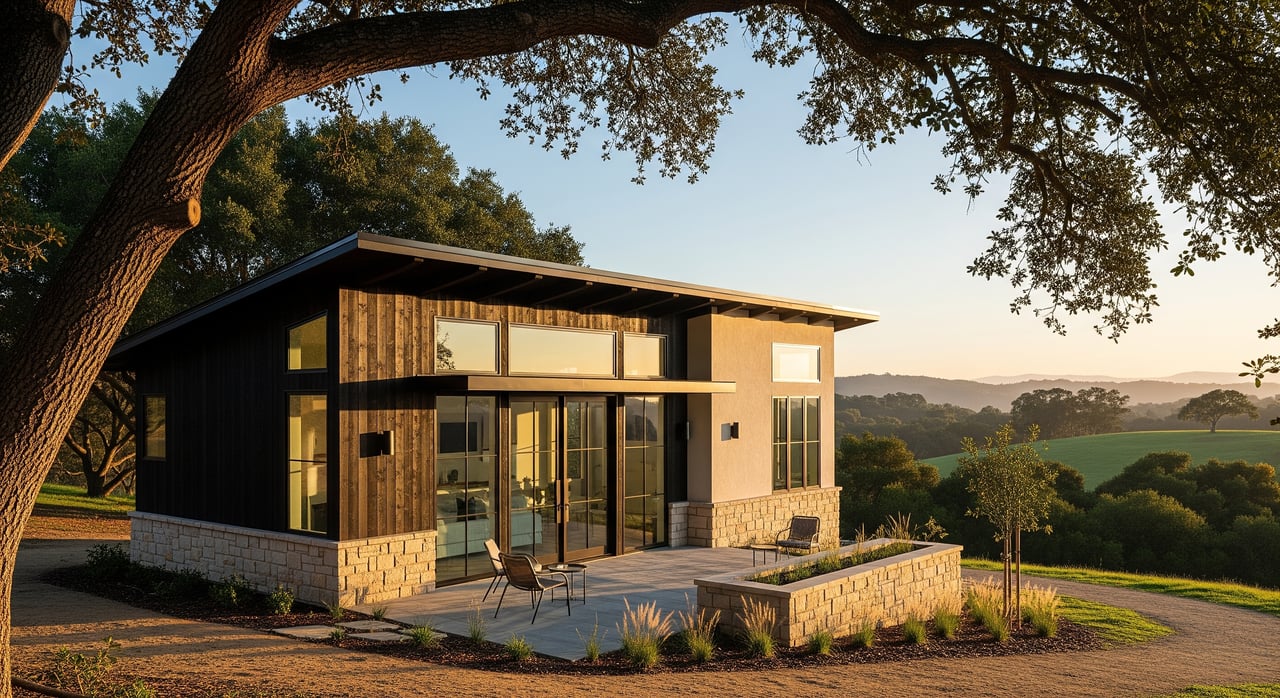
An accessory dwelling unit is a secondary home on the same lot as a primary residence. Common types include detached ADUs, attached additions, garage conversions, basement or interior conversions, and Junior ADUs (JADUs) that are typically 500 square feet or less and created within the existing home.
Owners use ADUs for long-term rental income, multigenerational living, guest space, or a flexible office or studio. Short-term rentals may be restricted locally, so always confirm city rules before planning that use.
Lamorinda’s high housing demand and limited inventory make ADUs attractive. They can create rental income, support aging in place, and offer more options for families while staying compatible with single-family neighborhoods. At the same time, hillside settings, trees, and wildfire risk introduce design and cost considerations you should evaluate early.
California has updated ADU laws to streamline approvals and limit local barriers. Many ADUs are reviewed ministerially, with defined timelines once your application is complete. Local cities still apply objective standards and building codes, so your exact path depends on the property and city.
State law sets upper limits on ADU sizes that cities cannot exceed, and many communities allow detached ADUs up to 1,200 square feet subject to local standards. Each city can set objective standards for setbacks and height within state parameters. Expect hillside and slope rules to influence placement and design in Lamorinda.
State law limits parking requirements in several scenarios, including when an ADU is near transit or when converting an existing garage. Development and impact fees must be proportional to unit size and use, and smaller ADUs, often 750 square feet or less, may be exempt from certain impact fees. You will still pay plan-check, permit, and utility fees.
Recent state laws generally limit ongoing owner-occupancy requirements for many ADUs. Local rules vary for Junior ADUs and for specific permit conditions, so confirm the current practice with your city’s planning department. If you plan to rent, understand local rental rules and insurance needs.
Parts of the East Bay hills fall within Very High Fire Hazard Severity Zones. New ADUs in these areas may require ignition-resistant materials, defensible space, and ember-resistant construction features. Sloped sites often need geotechnical review, engineered foundations, and careful drainage planning. Expect reviews by the fire district and building department to address these items.
A typical process includes:
State law directs ministerial review within a defined window once an application is complete, commonly around 60 days in many cases. From concept to move-in, expect several months to 12 months or more depending on scope, hillside work, and contractor availability. Conversions usually build faster than new detached units.
Costs vary widely. Major drivers include unit type, slope and retaining walls, foundation and soils work, sewer and water connections, electrical upgrades, wildfire and accessibility features, finishes, and market labor rates. Obtain several detailed bids and include a contingency for unknowns, especially on sloped or wooded lots.
Financing options often include:
Adding an ADU typically increases assessed value as new construction. In California, that added value is usually enrolled without triggering a full reassessment of your primary home. Confirm the exact approach with the Contra Costa County Assessor before you build.
If you plan to rent, notify your insurer. Many policies require a landlord endorsement or a separate rental dwelling policy to cover liability and the structure. For rental income planning, use current local market data for similar units. Short-term rentals can trigger different regulations and insurance needs, so verify rules in your city.
Well-designed, permitted ADUs can enhance resale by offering rental income potential and flexible living space. Your return depends on build cost, achievable rent, occupancy, insurance and maintenance, and how the market values the added space. Keep complete permit and inspection records so buyers and appraisers can confirm legal status and quality.
If you are sizing up an ADU project or evaluating a home with a second unit, start with feasibility and a quick conversation with your city. Then gather bids and financing options so you can compare scenarios clearly. If you would like hyper-local guidance on value, rent potential, and what buyers in Lafayette, Moraga, and Orinda look for, reach out to Alexis Thompson for a tailored plan. Get a free home valuation and a clear path forward.
Stay up to date on the latest real estate trends.
Etiam non quam lacus suspendisse faucibus interdum. Orci ac auctor augue mauris augue neque. Bibendum at varius vel pharetra. Viverra orci sagittis eu volutpat.