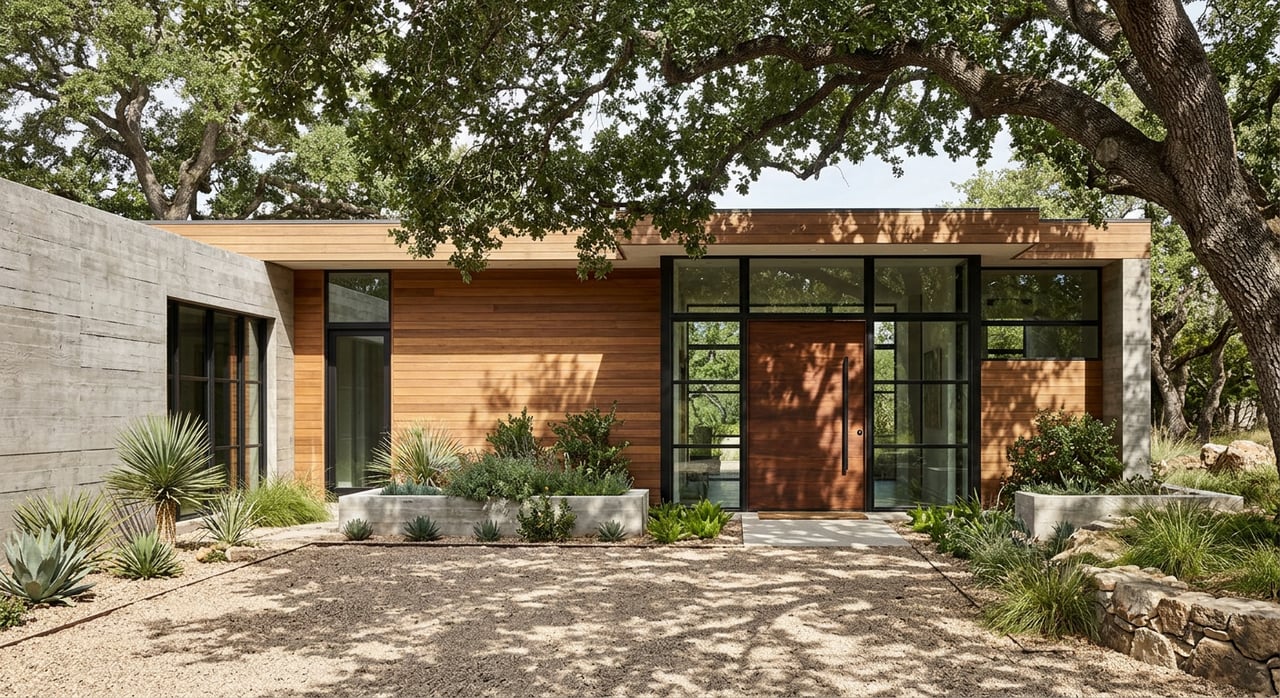
Buyer’s Guide To Orinda Downs Estates
March 5, 2026
March 5, 2026
Looking for more space, privacy, and a true indoor–outdoor lifestyle in Lamorinda? If you’re eyeing Orinda Downs, you’re on the right track. This pocket is known for larger lots, estate-style homes, and a calm, suburban feel that still keeps you connected to the East Bay and San Francisco. In this guide, you’ll learn what to expect on tours, how the market behaves, the offer strategies that work, and the key disclosures you should check before you buy. Let’s dive in.
Orinda Downs sits within the city of Orinda, part of the Lamorinda trio of Lafayette, Moraga, and Orinda. Dalewood Drive is the neighborhood’s main spine, with the area positioned northeast of Sleepy Hollow and connecting toward Lafayette’s Happy Valley. The layout is suburban and park-like, with larger parcels and a quiet, estate-oriented vibe rather than a dense, walkable downtown feel.
For commuting, you benefit from Orinda’s BART station and quick access to Highway 24. Travel times vary with traffic, but the combination of BART and highway access is a practical advantage if you split time between the East Bay and San Francisco.
Families often prioritize the local school system. Orinda is served by the Orinda Union School District for elementary and middle school, and by the Acalanes Union High School District for high school. You can review district information and resources on the Orinda Union School District site.
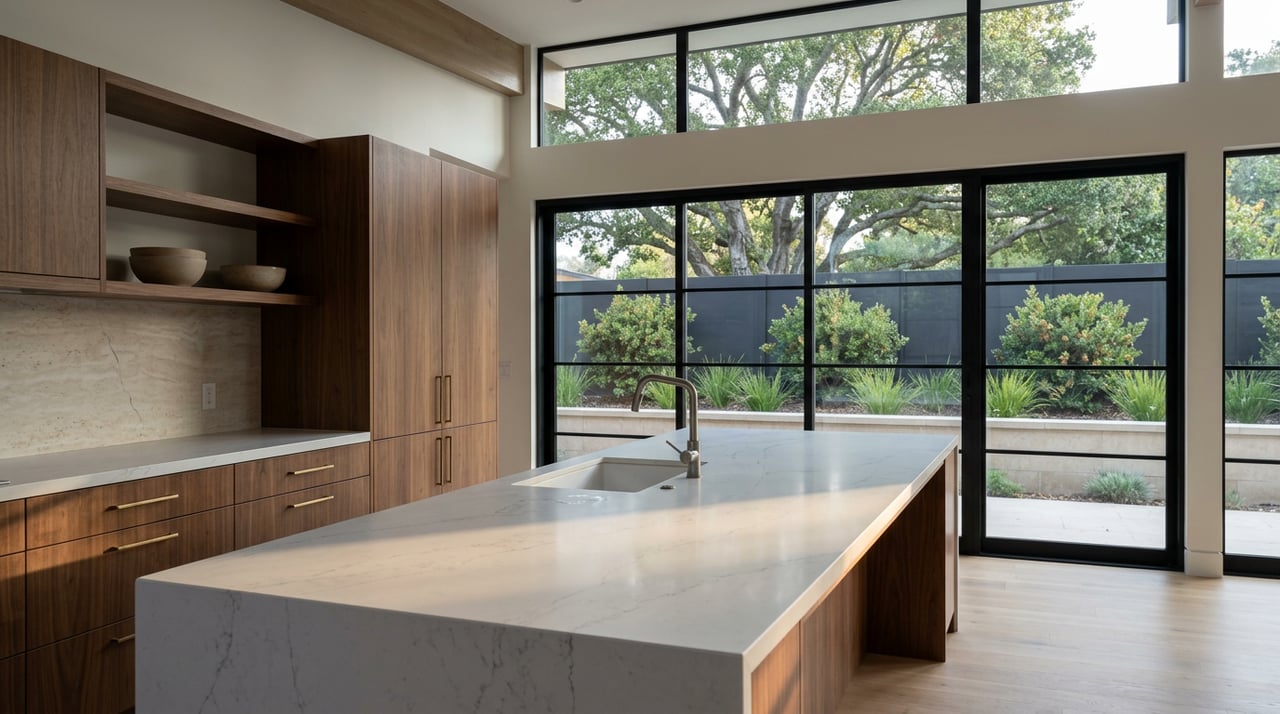
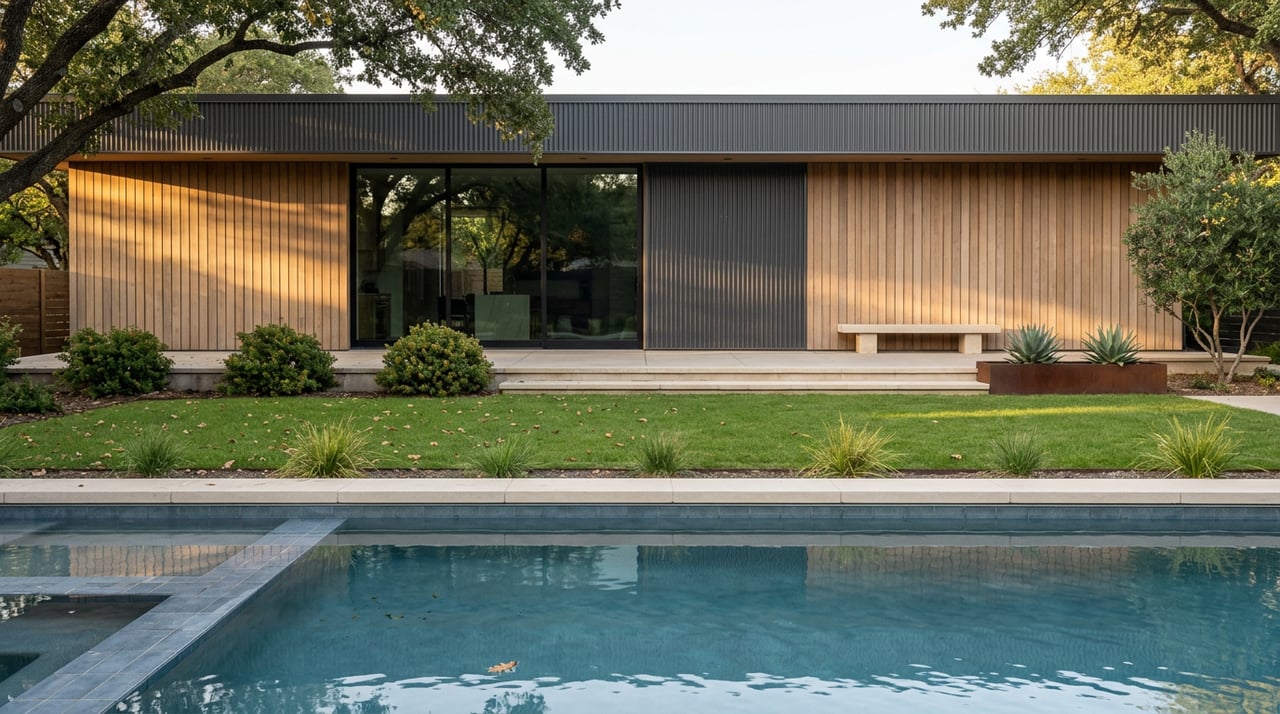
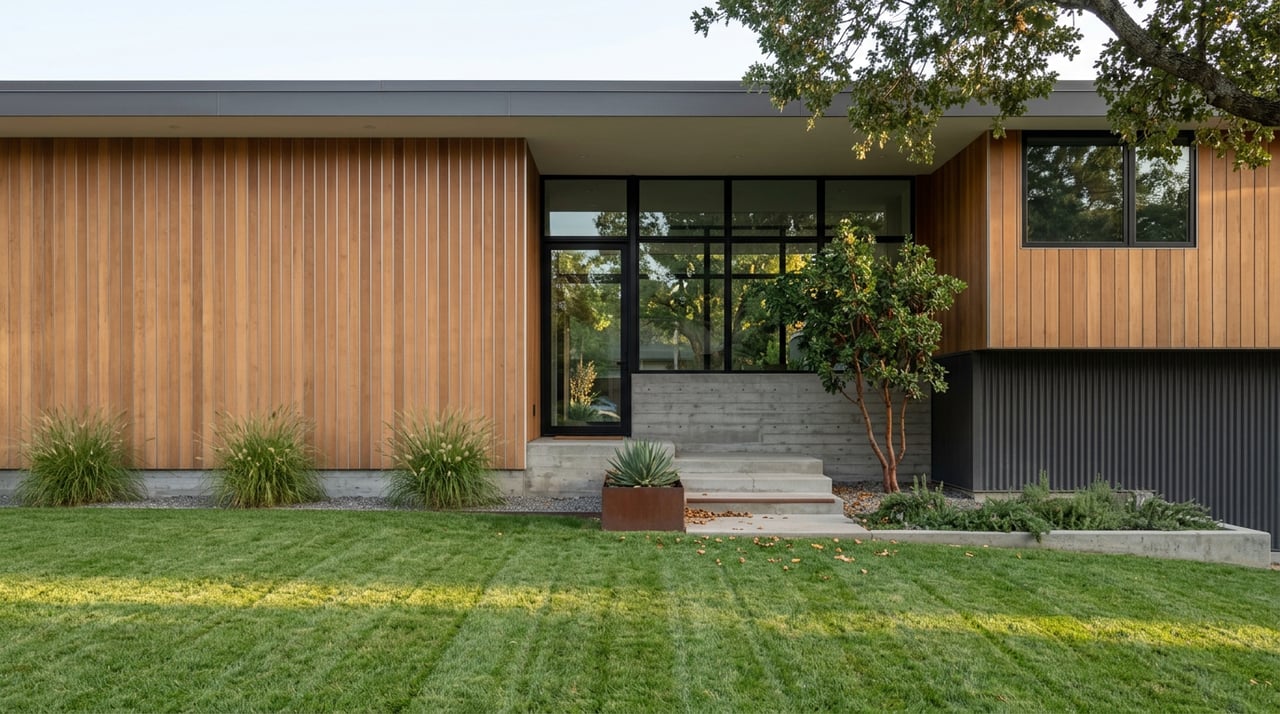
Most homes in Orinda Downs are single-family and generous in scale. You’ll see a range of architectural styles from mid-century ranch and traditional to Mediterranean, contemporary, and custom designs. Many properties were built between the 1960s and 1990s, and you’ll find both thoughtfully updated homes and residences that invite a remodel.
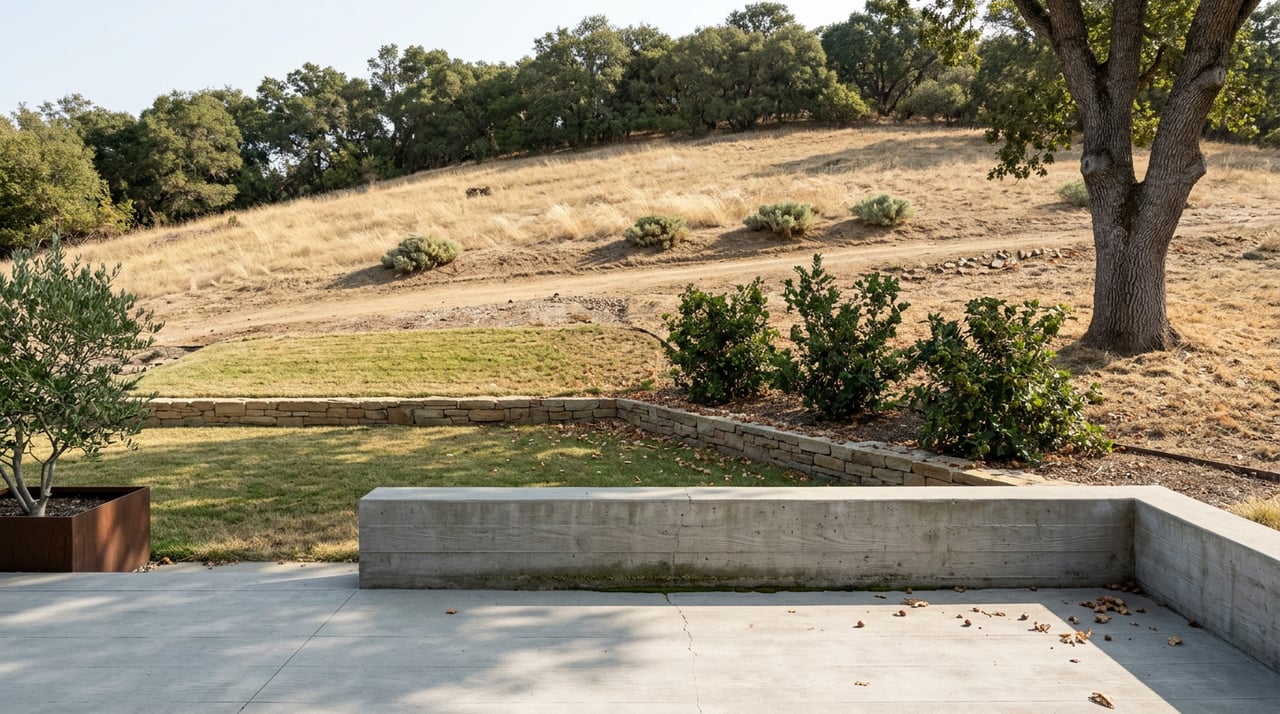
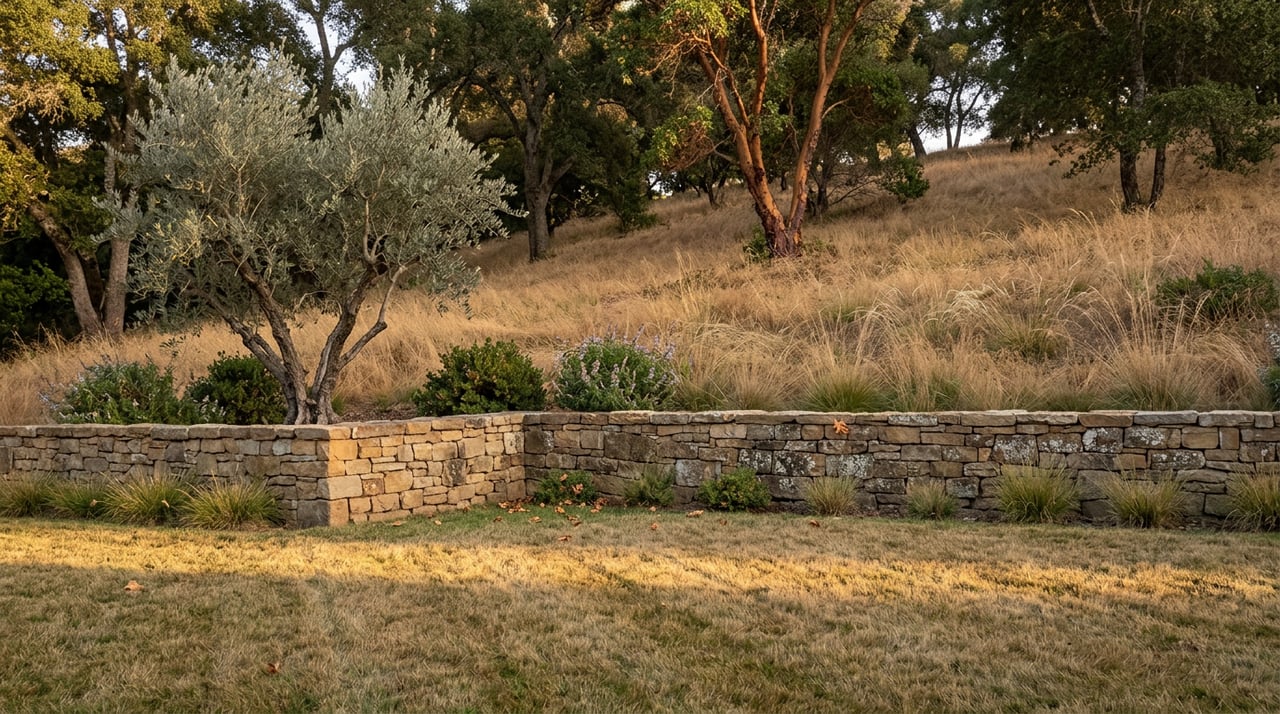
A major draw here is usable land. Unlike steeper hillside parts of Orinda, Orinda Downs often offers flat to gently sloped yards that make pool, lawn, sport, and garden spaces more practical. Parcels commonly range from about a quarter acre up to an acre or more, with many in the half-to-one-acre band.
Concrete examples on Dalewood Drive help set expectations:
These snapshots are representative and not comprehensive. Always review the most current MLS data and disclosures for any specific property.
Estate-style amenities are common. Expect to see pools and pool houses, large patios and decks for gatherings, multi-car garages, and mature oak or redwood trees that frame private yards. Some properties include detached outbuildings or guest spaces. Because these homes span decades of construction and upgrades, it’s smart to verify permits for additions, pool houses, and any grading or retaining-wall work during due diligence.
It’s also possible that select addresses fall under small homeowners associations or carry neighborhood fees. HOA status can affect exterior rules, shared maintenance, or expectations for improvements. Confirm whether an HOA exists and review the CC&Rs with your agent and title team.
Recent MLS-derived snapshots show Orinda Downs trading at an estate premium within Orinda. Neighborhood medians have hovered around the low two millions, with typical sale prices commonly spanning from the low $2 million range to the mid $5 millions depending on lot size, condition, and setting. As one reference point for the city backdrop, Orinda’s citywide median has recently sat nearer to the high one million range. Different aggregators can display different medians for the same period because of varying datasets. That is why you’ll sometimes see neighborhood pages quoting higher numbers than MLS.
The neighborhood is frequently described as very competitive. Well-prepared buyers often face multiple offers on move-in-ready homes. Median days on market have been short in recent snapshots, and clean terms matter. Because MLS numbers shift month to month, make sure you request up-to-the-minute comparables and trend data before you write an offer.
In competitive pockets like Orinda Downs, strong preparation is your edge. Arrive with full preapproval, ideally with underwriting already completed, and be ready to move quickly when the right home hits. Larger earnest money deposits can signal confidence, and targeted, shorter investigation periods can help, provided you have a plan for inspections and risk management.
Typical California timelines give you a starting framework. Buyer investigation periods in competitive Bay Area deals often land around 10 to 17 days, but terms are negotiable. Financed purchases commonly close in about 30 to 45 days, while all-cash transactions can tighten to roughly 7 to 14 days. For a plain-English overview of timelines and contingencies, you can review this California real estate contract guide.
If price is likely to push above appraised value, some buyers use a capped appraisal-gap clause. This means you agree to cover a set dollar amount if the appraisal comes in below the contract price, which can make your offer more compelling without fully waiving the appraisal contingency. Learn how buyers typically handle low appraisals in this plain-language appraisal explainer. Every concession has trade-offs, so align your terms with your risk tolerance and liquidity.
Wildfire is a real factor in the East Bay hills, and recent state Fire Hazard Severity Zone updates increased the acreage mapped as Very High in parts of Contra Costa County, including areas of Orinda. Local coverage explains how these updates can affect disclosure requirements and insurance conversations. You can read more about the changes in this report on the state’s updated fire-hazard maps.
Sale-time requirements now include AB-38 defensible-space documentation for properties located in State Responsibility Area or locally designated Very High Fire Hazard Severity Zones. Sellers must provide either an inspection document showing compliance or an agreement assigning responsibility after closing. Older homes in mapped zones also require specific fire-hardening notices. For a clear overview of AB-38 real-estate inspections and how scheduling works, see this AB-38 defensible space guide. Always confirm whether a particular Orinda Downs parcel falls in a mapped zone and whether any inspection is outstanding.
Insurance carriers are watching these maps. Engaging your insurance broker early can save time and stress. Documentation of defensible space and visible hardening measures, like ember-resistant vents and Class A roofing, can support underwriting and potentially affect premiums.
Use this checklist to focus your tours and disclosures review:
If you’re weighing an estate purchase in Orinda Downs, local guidance can save you time and help you compete with confidence. For private showings, neighborhood insight, and up-to-the-minute comps, connect with Alexis Thompson for boutique, hands-on representation in Lamorinda.
Stay up to date on the latest real estate trends.

Etiam non quam lacus suspendisse faucibus interdum. Orci ac auctor augue mauris augue neque. Bibendum at varius vel pharetra. Viverra orci sagittis eu volutpat.