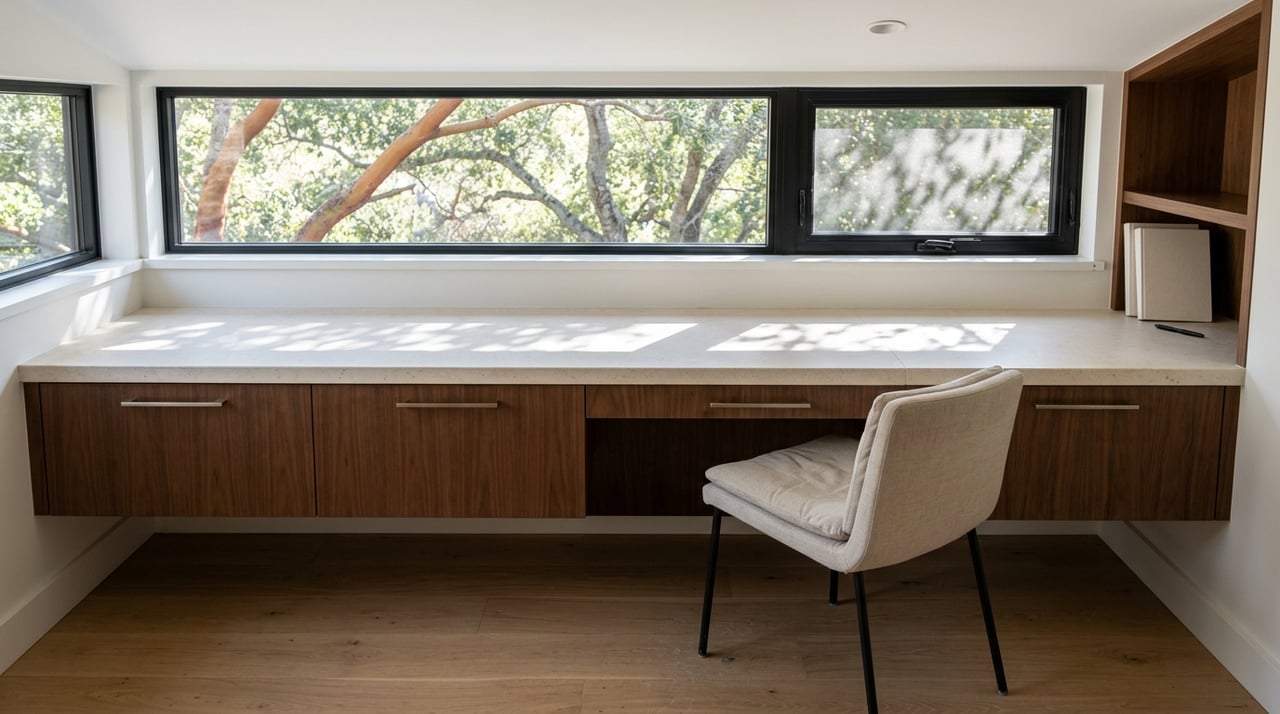
Buying a Home in Ivy Drive Orinda: A Smart Buyer’s Roadmap
June 25, 2026
June 25, 2026
Trying to buy in the Ivy Drive area can feel like stepping into a race that already started. Homes can move quickly, competition can be intense, and small details like traffic patterns, pricing strategy, and permit history can make a big difference in whether a home is truly the right fit. If you want a smarter, calmer way to search, this roadmap will help you understand what to expect and how to prepare. Let’s dive in.
The Ivy Drive area refers to the Orinda neighborhood centered on Ivy Drive and Orinda Intermediate School at 80 Ivy Drive. Ivy Drive functions as a two-lane collector and school route that connects the surrounding residential area to Moraga Way, which means daily traffic flow is an important part of the buying experience.
This is also a fast-moving submarket. Over the three months ending in May 2026, the median sale price in the Ivy Drive area was about $1.7 million, and homes averaged 11 days on market. Redfin’s competition model rated the area 93 out of 100, with many homes receiving multiple offers and some selling above list price.
Orinda overall shows similar speed. The broader market posted a median sale price of about $2.0 million, 11 median days on market, and 52.7% of homes selling above list price. For you as a buyer, that means preparation matters just as much as budget.
One of the biggest mistakes buyers make is focusing only on photos, floor plans, and list price. In the Ivy Drive area, how a home lives day to day can matter just as much, especially because the neighborhood is considered highly car-dependent.
That means you should pay close attention to drive times, parking, and circulation near school hours. A home that looks perfect on a weekend may feel very different on a weekday morning or afternoon when school traffic is active.
A smart local test is to visit during the school run. Orinda Intermediate School guidance says drivers should not park or wait on Ivy Drive near the school entrance and recommends dropoff before 8:30 AM and pickup after 3:45 PM to reduce congestion. A weekday visit can give you a clearer picture than a weekend drive-through alone.
The Bay Area is one of the most seasonal housing markets in the country, and that pattern matters in Ivy Drive. California’s spring market tends to start earlier than in many other regions, with new listings often peaking in late spring and fresh inventory peaking in mid-summer.
For buyers, spring often brings the first meaningful wave of new choices. This is a good time to compare homes, lot utility, condition, and pricing side by side. If you are early in your process, late winter and early spring are ideal for getting familiar with the market before more listings arrive.
Later in the year can offer a different advantage. Redfin’s seasonal research suggests that the best buyer discounts often show up in late summer and early fall. In a market as competitive as Ivy Drive, that does not guarantee a deal, but it can create more room for negotiation if your timeline is flexible.
Not every part of the Ivy Drive market behaves the same way. Your experience can look very different depending on where your budget falls.
This price range can offer fewer opportunities, and condition tends to matter a lot. Recent sales show that one home sold at $1.2 million after 87 days and 6% under list, while another sold at $1.35 million after 17 days and 8% over list.
That tells you something important. A home in this bracket can still attract strong demand when it is priced well and move-in ready, but deferred maintenance or ambitious pricing may slow the pace.
This appears to be the core competition zone for Ivy Drive. The area’s median sale price is about $1.7 million, and recent sales in this range have included several homes closing at or above list price.
If you are shopping in this band, you should be ready for well-presented homes to move fast. This is often where buyers need the clearest priorities and the fastest decision-making.
At higher price points, the buyer pool can become more selective, but that does not mean competition disappears. Recent examples show mixed outcomes, with one home selling 12% over list in 19 days while another sold 4% under list after 31 days.
The takeaway is simple. Price alone does not control the outcome. Condition, lot usability, presentation, and whether the list price matches buyer expectations still shape how competitive a listing becomes.
In a market where homes can move in 11 days, your search setup should be proactive, not casual. Alert-driven searching can help you react faster and stay organized.
A practical approach for Ivy Drive is to create three saved searches:
This layered strategy gives you focus without boxing you in too early. It also helps you compare what your budget buys in the immediate area versus nearby alternatives.
If you are ready to act quickly, instant alerts make sense. If you are still learning the market, daily alerts may be a better fit because they let you study pricing and patterns without feeling overwhelmed.
In a competitive market, it is easy to fall in love with a home before you have checked the details that matter most. In the Ivy Drive area, two of the most important early diligence steps are school boundary verification and permit history review.
The Orinda Union School District uses an address-based attendance area checker, and the district notes that attendance is generally tied to residence address. The district also notes that some elementary students may be redirected to balance class sizes, and most district students continue to Acalanes Union High School District after 8th grade.
If school assignment is part of your decision-making, verify it early rather than relying on assumptions or marketing remarks. A quick check can save you time and help you compare homes more accurately.
Permit history matters too, especially if a home has additions or remodels. In Orinda, approved plans must be requested from Contra Costa County because building services are county-run, and the city’s planning department offers homeowner guidance and appointments.
When you review a property, ask practical questions. Was the work permitted? Do additions match the current layout? Are there documents that help explain past improvements? These checks can give you more clarity before you move deeper into the process.
Another smart step is to look at hazard and insurance considerations early rather than waiting until you are already under pressure. Current Ivy Drive risk data flags minor flood risk and moderate wildfire risk.
That does not mean a home is not a fit. It means you should understand the property’s risk profile early and factor insurance availability, policy cost, and contingency timing into your overall plan.
In a fast market, the buyers who stay calm are usually the ones who do this homework before they are rushed. Early review can help you make cleaner decisions when the right home appears.
The best Ivy Drive buyers are usually the ones who combine speed with structure. They start watching early, understand where their price range fits, use alerts to stay ahead, and verify local details before emotions take over.
In practical terms, that means being ready to act fast on well-priced turnkey homes while staying thoughtful about traffic patterns, condition, school boundary checks, and permit history. In a multiple-offer environment, discipline is often your edge.
If you want guidance that is local, hands-on, and tailored to how this part of Orinda really works, Alexis Thompson can help you build a smart search plan and move with confidence.
Stay up to date on the latest real estate trends.

Etiam non quam lacus suspendisse faucibus interdum. Orci ac auctor augue mauris augue neque. Bibendum at varius vel pharetra. Viverra orci sagittis eu volutpat.