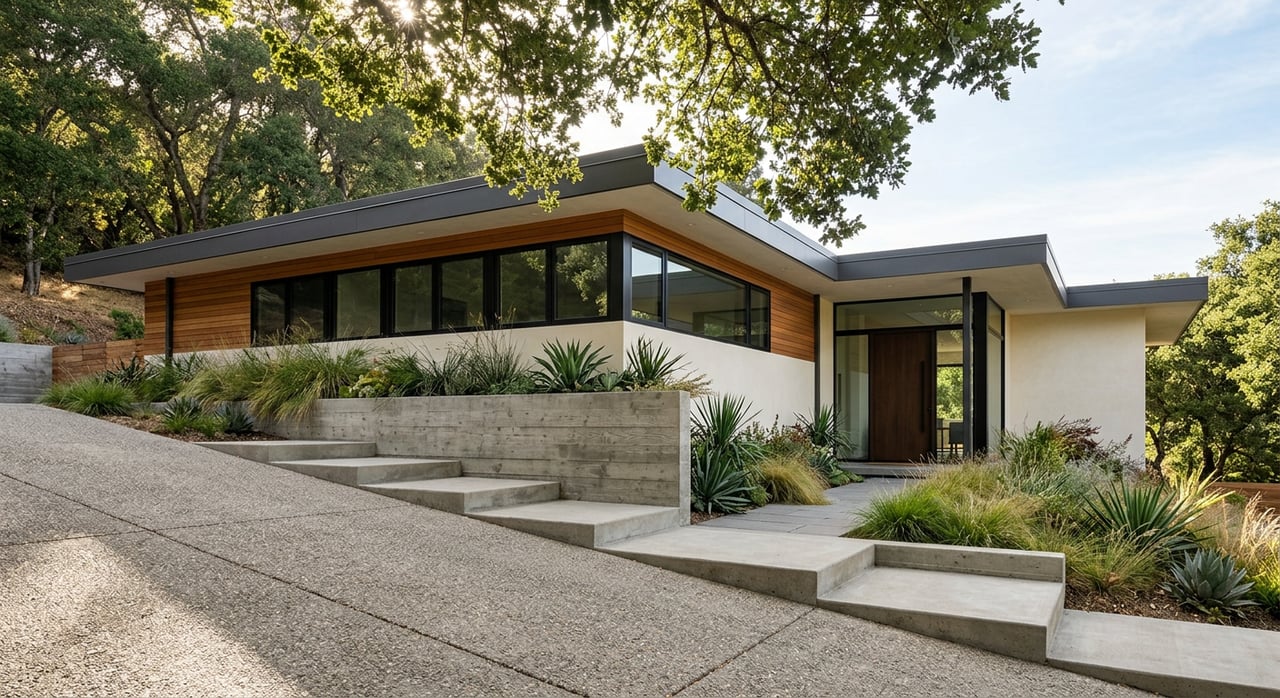
Sleepy Hollow Orinda Home Styles & Lot Types Explained
March 24, 2026
March 24, 2026
If you love tree-lined streets, big skies, and a strong indoor-outdoor lifestyle, Sleepy Hollow in Orinda is likely on your shortlist. The neighborhood blends classic mid-century ranches with custom hillside homes and estate parcels, each with its own tradeoffs for daily living, upkeep, and long-term value. In this guide, you’ll learn the most common home styles and lot types you’ll find in Sleepy Hollow, plus what they mean for maintenance, permits, and smart pre-offer due diligence. Let’s dive in.
Sleepy Hollow sits in the East Bay hills of Orinda, part of the broader Oakland-Hayward-Berkeley metro. You’ll find winding roads, mature trees, and easy access to Highway 24, with regional transit nearby for commuters. The neighborhood is primarily residential, with a mix of single-story ranches, expanded contemporaries, and architect-designed hillside homes. Near flatter pockets, you may also see traditional or Mediterranean-influenced builds and some thoughtful infill.
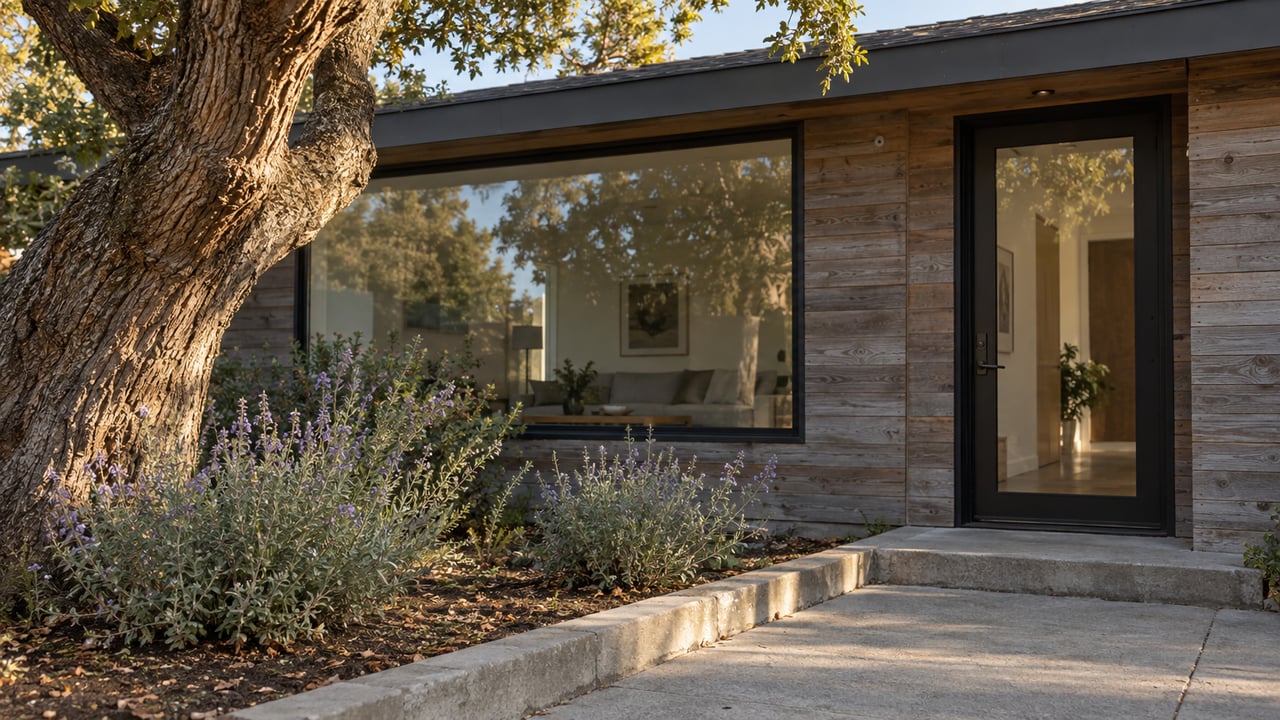
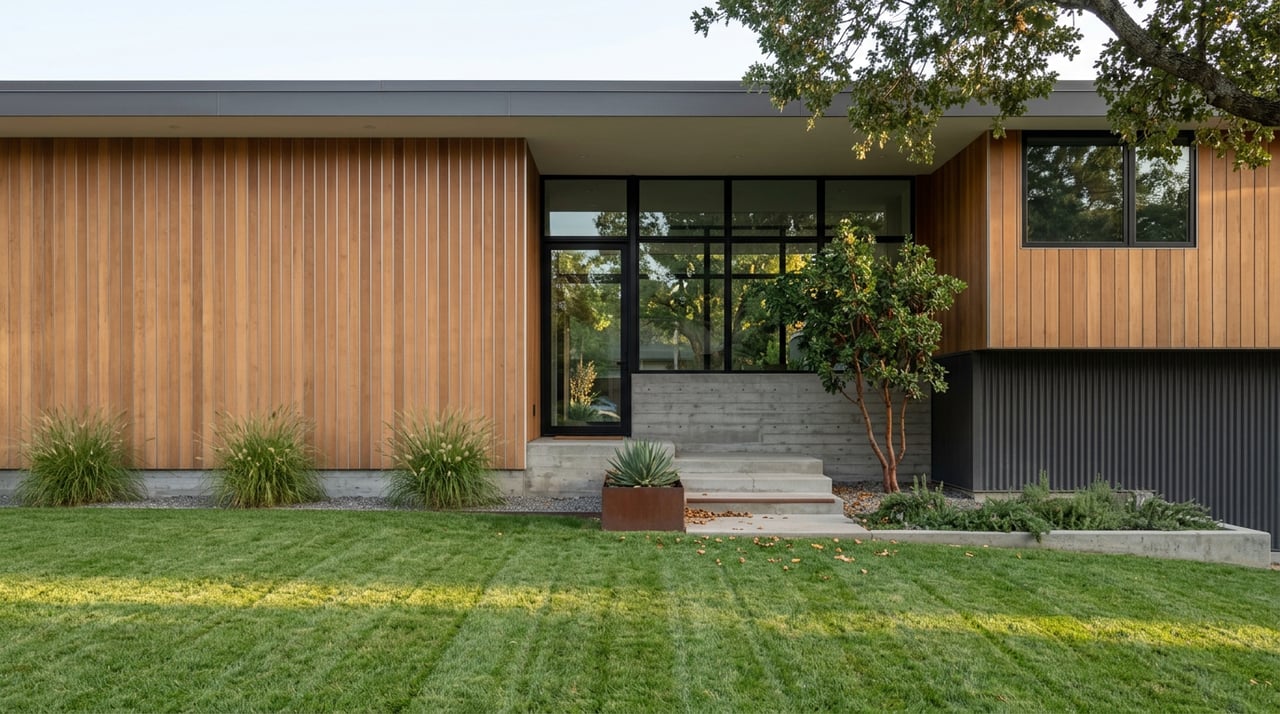
Many Sleepy Hollow ranches date from the 1940s to 1960s. They typically have low profiles, wide eaves, attached garages, and great connection to patios or lawns. You’ll often see them on flatter parcels or small cul-de-sacs, which makes daily living simple and yard areas easy to use. If you’re considering a vintage ranch, plan to evaluate foundations, drainage, and seismic updates during inspections.
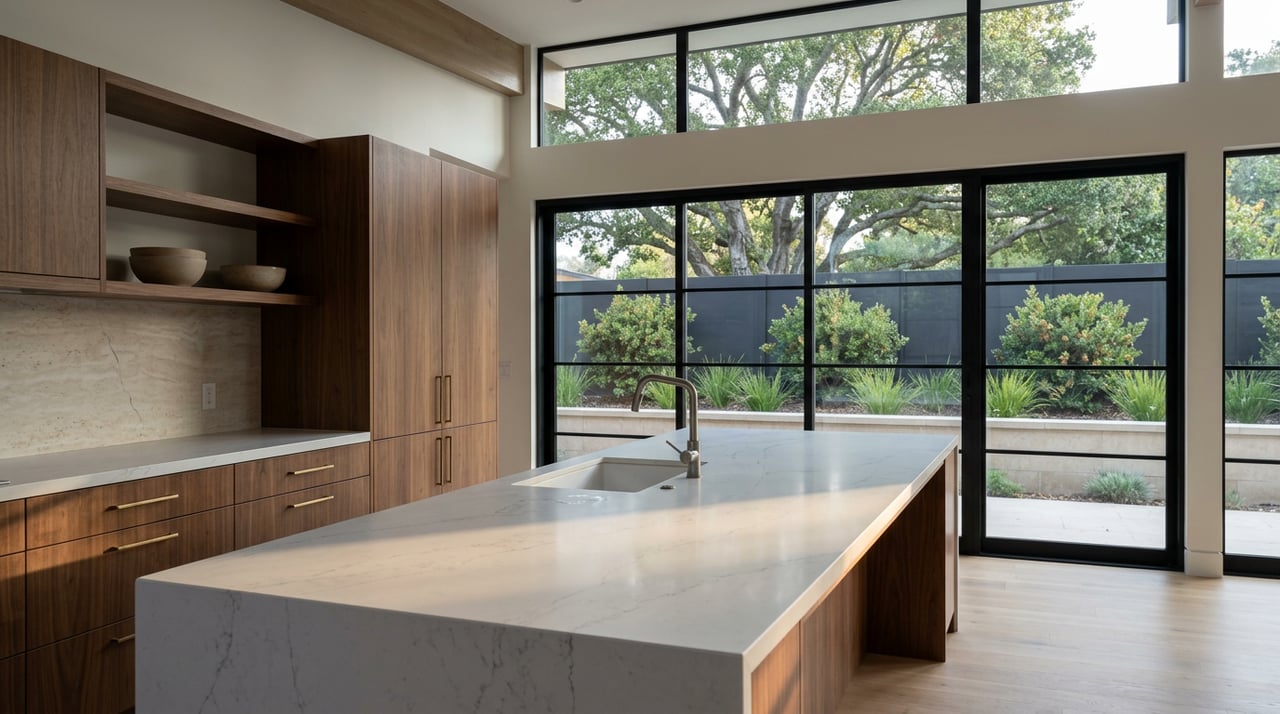
A common pattern in Sleepy Hollow is the thoughtfully remodeled ranch. Owners open up kitchens and family rooms or add a second story to gain space without moving to a ridge property. On gentler slopes, this can be a practical way to grow into the neighborhood. The tradeoffs include more stairs, changed views and privacy lines, and sometimes added permitting complexity if grading or retaining walls are part of the plan.
On sloped or ridgeline parcels, you’ll find multi-level homes designed to step with the terrain. Expect large windows, decks and terraces, engineered foundations, and significant site work such as terracing and retaining walls. These homes deliver views and privacy. They also require a sharper focus on structural maintenance, drainage, and vegetation management, which can add to ongoing costs.
You will also see pockets of traditional and Mediterranean styles, especially in flatter areas adjacent to central Orinda. Newer infill tends to respect local scale and siting, with a focus on blending into the existing streetscape. These homes often offer functional floor plans and easier yard access.
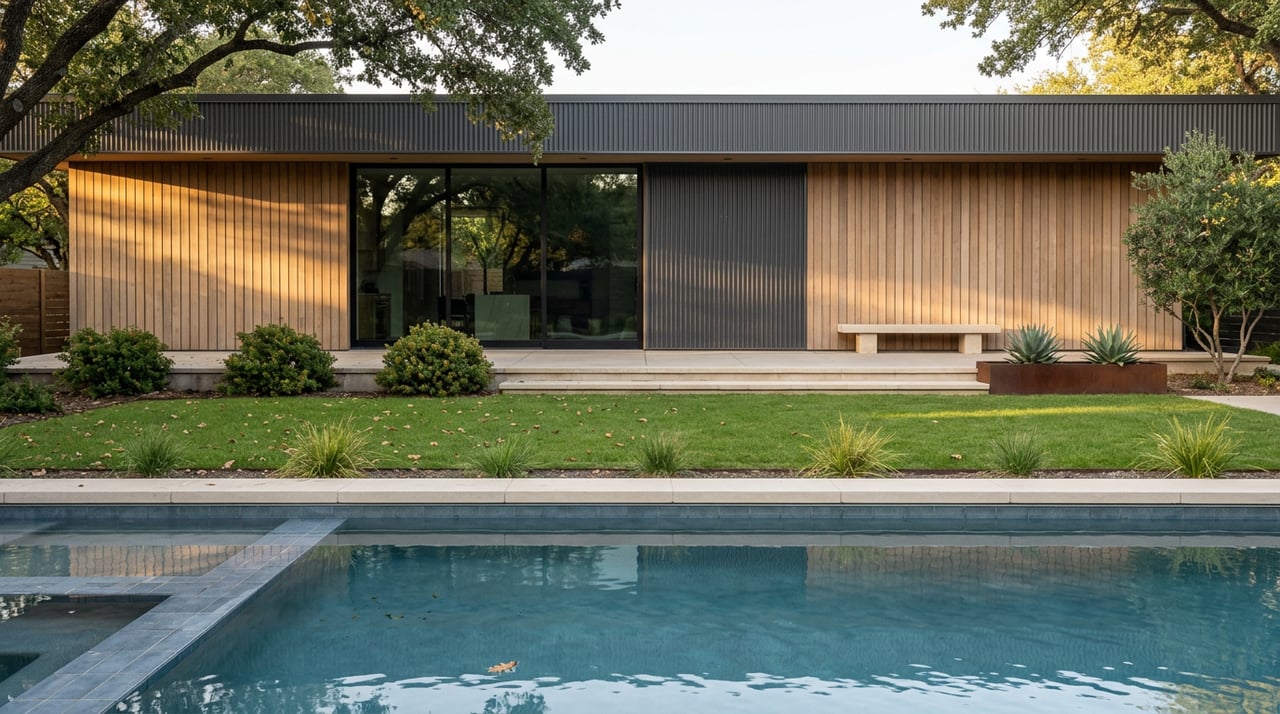
Near Sleepy Hollow Elementary and in select cul-de-sacs, you’ll find flatter lots that make single-level living, lawns, pools, and accessory buildings more feasible. These parcels can simplify project timelines and costs because they usually require less engineering and grading.
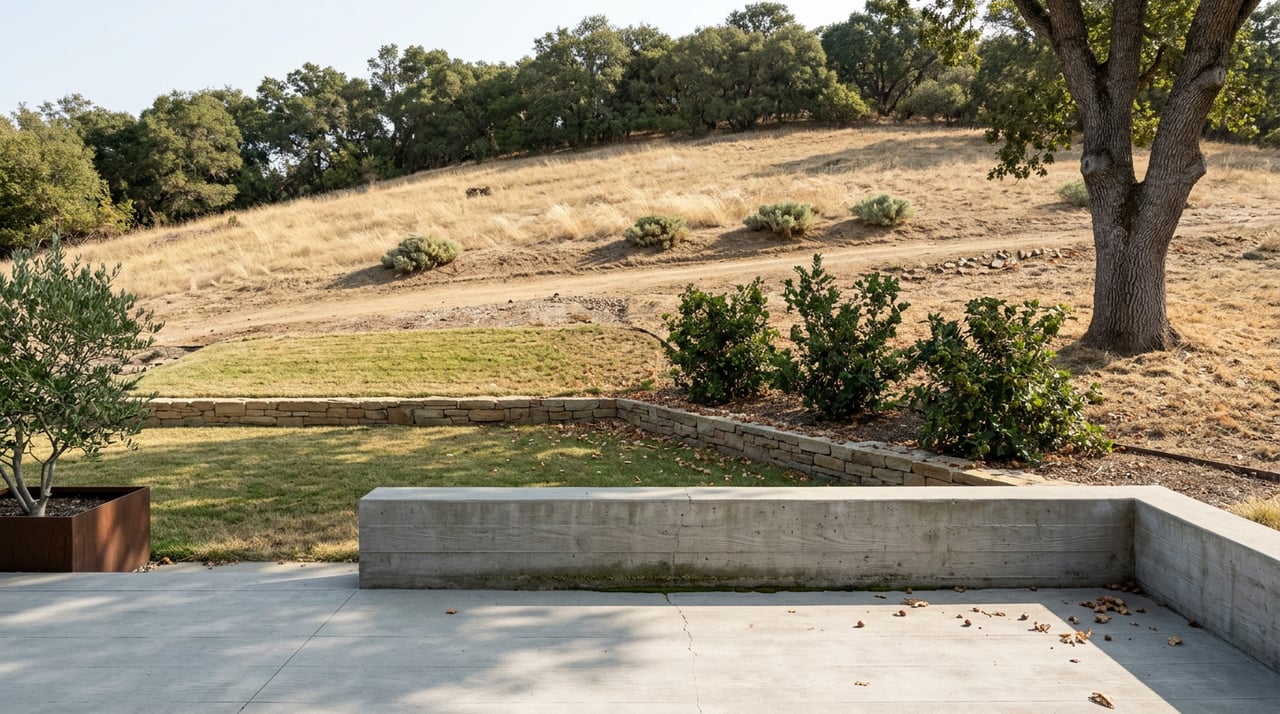
Much of Sleepy Hollow sits on hills and along ridgelines. Parcels may be narrow or irregular and often rely on terraces and retaining walls to create usable outdoor zones. Orinda’s municipal code places limits on grading and triggers special design review for steep sites, which influences both construction cost and timing. You can review the hillside standards in the city’s code to understand when engineered plans may be required. Refer to the city’s hillside development rules for details on grading and design review requirements listed in the Orinda Municipal Code hillside and grading standards.
Sleepy Hollow offers a wide range of lot sizes, from modest pads to larger estate properties. On irregular or flag lots, verify how much of the parcel is truly usable versus steep slope or protected areas. Long driveways and hillside utilities can affect access, privacy, and costs for future additions or accessory dwelling units.
Hillside homes commonly use deep piers or stepped foundations, and many rely on retaining walls for access and usable yard space. Over time, undersized walls and poor drainage can accelerate slope movement. If you plan to add on or rework the site, expect to engage a geotechnical engineer and produce engineered plans. Orinda’s hillside standards guide grading and design review on steep parcels, so check the municipal code early in your planning.
Water management is essential in the East Bay hills. Surface drains, downspout routing, and subsurface solutions like French drains help protect foundations and slopes. City policy requires drainage planning as part of new hillside development, and shared uphill flows or recorded easements can apply in some areas. You can find hillside development requirements in the city’s code section on hillside standards.
Sleepy Hollow is in or adjacent to areas the city and the Moraga-Orinda Fire District consider part of the Wildland-Urban Interface. Expect a strong emphasis on defensible space and home-hardening. The City of Orinda’s Local Fire Hazard Severity Zones page is a good place to orient yourself.
In a sale, California’s AB-38 requires sellers of properties in mapped High or Very High Fire Hazard Severity Zones to provide documentation that defensible space and home-hardening requirements are met, or to establish a buyer-seller agreement to complete the work after closing. You can read the statute text in California Civil Code §1102.19. The Moraga-Orinda Fire District also publishes updates and guidance on inspections and certificates, which you can find on the MOFD site’s news and resources.
Orinda sits near active Bay Area faults, including the Hayward Fault. Older raised foundations and garage-front designs can be more vulnerable. A seismic evaluation and retrofit plan may lower risk and can also help with lender and insurance questions. To understand the regional fault context, review the USGS overview of the Hayward Fault system.
Most homes in Sleepy Hollow connect to regional water and sewer providers. On hillside parcels, long utility runs or easements can influence the cost of additions or accessory dwellings. It is smart to confirm providers and any private laterals during due diligence. The city’s housing element references utility providers and planning context for Orinda, which you can reference in the HCD document.
Use this quick list to focus your inspections and contingencies:
Sleepy Hollow offers choice. If you value easy circulation and a traditional yard, a single-level ranch on a flatter pad can be a great match. If you prioritize views, privacy, and architectural interest, a multi-level hillside home may be your sweet spot. Either way, understanding how your home’s style and lot type affect maintenance, safety, and permits will help you buy with confidence.
If you want a local perspective on specific streets, terraces, or ridgeline nuances, reach out to Alexis Thompson for a tailored walkthrough of options and a clear plan for inspections, timelines, and negotiations.
Stay up to date on the latest real estate trends.

Etiam non quam lacus suspendisse faucibus interdum. Orci ac auctor augue mauris augue neque. Bibendum at varius vel pharetra. Viverra orci sagittis eu volutpat.